Understand Essential Tree Service Practices for Best Tree Maintenance
Understanding tree care is vital for keeping the surroundings healthy. Crucial methods such as mulching and pruning are vital factors in encouraging strong tree growth. In addition, the right way to water are essential for root establishment. Yet, a lot of individuals ignore the symptoms of sick trees and the need for expert assistance. Looking into these areas can result in a better understanding for arboriculture and trees. What steps can one take to make sure their trees flourish?
Recognizing Why Tree Health Matters
Recognizing the value of healthy trees is vital, as trees play a significant role in preserving the ecosystem's equilibrium and improving city settings. Vibrant trees help improve the quality of the air, give shelter, and provide refuge for nature. Trees also assist in reducing climate change by absorbing CO2, which makes them vital for a sustainable environment.
In urban settings, well-maintained trees look better, increase property values, and support public welfare. Having trees can lessen the urban heat effect in cities, leading to lower energy costs.
Neglecting tree health, conversely, can lead to illness, bug invasions, and unstable limbs, creating dangers to infrastructure and the trees themselves. As a result, identifying signs of a healthy tree, like the color of the leaves, its development rate, and bark condition, is essential for successful maintenance. In conclusion, promoting tree health helps more than private yards but also the broader ecosystem, emphasizing the need for preventative maintenance and maintenance techniques.
Key Methods for Pruning
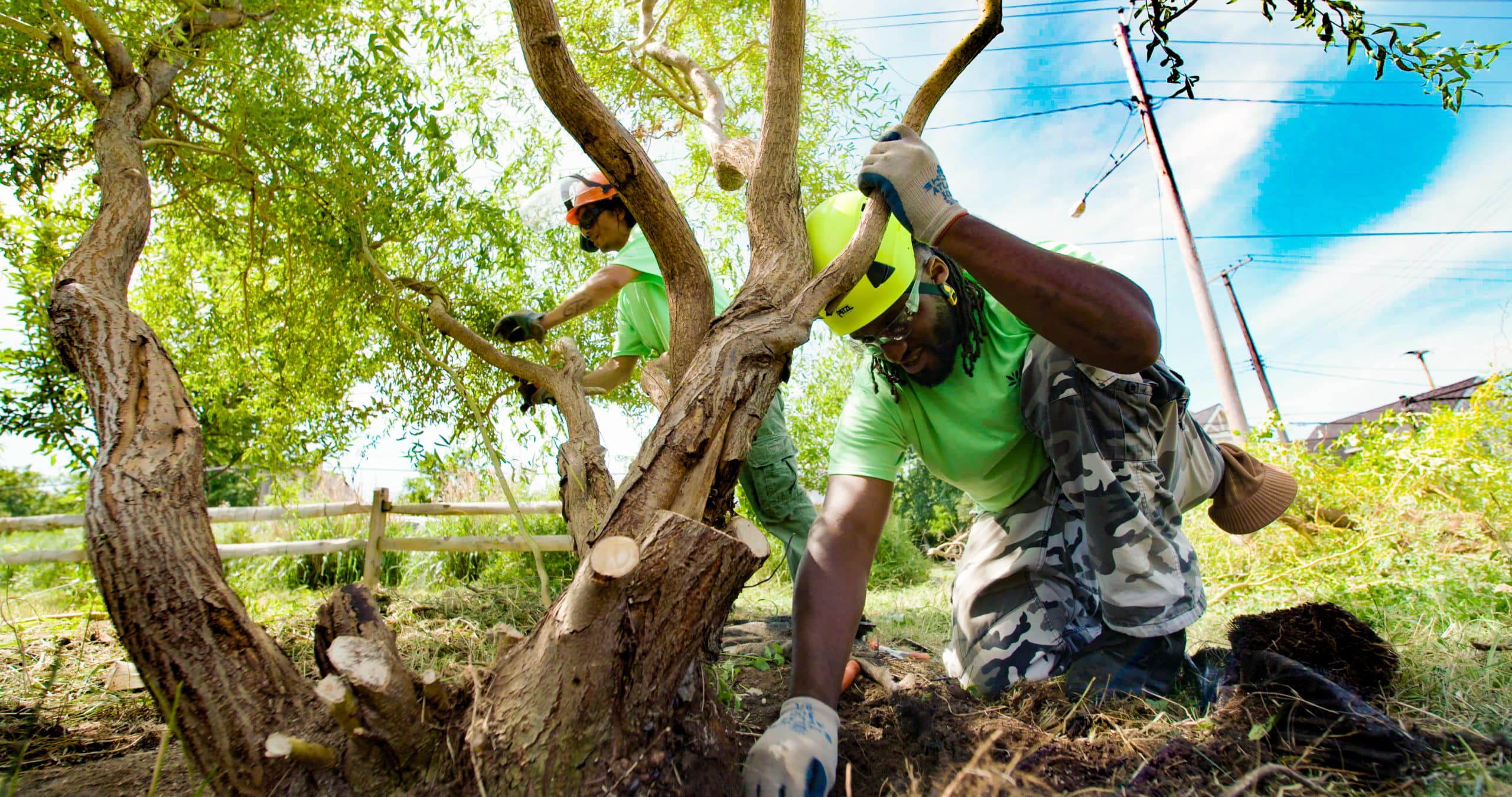
Cutting branches is a vital method in tree care that ensures optimal development and well-being, as it gets rid of sick or dead limbs and enhances air flow within the canopy. Using the right methods ensures the trees can grow well in their setting.
An essential practice is "thinning," which involves selectively removing branches to allow more light through and lessen the load on fragile branches. 'Heading back' is one technique, where the ends of branches are snipped to encourage thicker growth, mainly in juvenile trees. Furthermore, the 'crown reduction' method decreases the size and reach of a tree and retaining its natural structure.
Timing is essential; cutting during the inactive period lessens the impact and ensures faster recovery. Tools should be sharp and clean to avoid damage and infection transfer. Knowing these essential trimming methods is crucial for any tree care professional who seeks to keep healthy and aesthetically pleasing trees.
Recognizing Typical Tree Ailments
How can tree owners recognize the indicators of typical illnesses that endanger their trees? Awareness of specific symptoms is essential for early detection and intervention. Typical signs involve leaves that are yellowing or drooping, which may suggest fungal infections or insufficient nourishment. Strange developments, for example, galls and cankers, can signal the presence of pests or diseases that harm the tree's vitality. In addition, bark shedding or sticky sap might suggest an infection that demand quick action.
Tree owners should also observe modifications to the tree's appearance, such as branches dying or leaves falling, which could signify a more severe underlying issue. Looking out for insect attacks, such as holes in the bark or frass, is just as critical. Through vigilance and promptness, tree owners can identify these common diseases and find suitable treatments, to keep their trees healthy and vigorous across the different seasons.
The Role of Mulching in Tree Care
Mulching is a key technique in tree care, offering numerous benefits that promote healthy growth and resilience. It means spreading a layer of inorganic or organic matter at the tree's base, helping to keep the soil damp, keeping weeds down, and regulate soil temperature. The mulch covering doesn't just limit rivalry from unwanted vegetation but also enhances the aesthetic appeal of the landscape.
In addition, natural mulching materials, for example, bark or chips, decompose over time, adding vital nutrients to the soil and improving its structure. This continuous action helps roots establish and creates a more robust setting for the plant. Furthermore, mulching can prevent soil erosion, maintaining the stability of the tree’s foundation. Appropriately spread mulch needs to be arranged in a donut shape, avoiding direct contact with the trunk to stop decay. In conclusion, incorporating mulching into tree care routines significantly aids to the long-term health of trees.
Optimal Watering Methods for Trees
Good tree maintenance demands not only mulching but also appropriate watering techniques to guarantee ideal growth and health. Tree specimens, specifically new plantings, require steady hydration to develop robust root structures. It is vital to water deeply, as it promotes roots to descend where moisture is more consistent. Optimally, trees need roughly one inch of water per week, be it from precipitation or supplemental irrigation.
It is best to water early in the morning to minimize water loss and fungal diseases. It is important to avoid overwatering, which often causes root decay and related complications. The soil should be checked for moisture before watering; should the top two inches be arid, then watering is necessary. Furthermore, using a soaker hose or drip irrigation can provide a slow, steady supply of water, making sure trees get enough water without the risk of runoff. Proper watering practices greatly contribute to the overall health of trees.
Engaging Expert Arborists: Reasons and Necessity
When considering the health and aesthetics of a property, engaging expert tree care can be crucial for homeowners who need intricate tree upkeep. Expert tree specialists have the expertise to determine tree vitality, recognize pathogens, and execute beneficial procedures. Arborists are also aware of local regulations concerning tree removal and maintenance, guaranteeing compliance and preventing costly penalties
(Stillwater Tree Service)Property owners ought to hire experts when dealing with mature trees, specifically trees near homes or power lines, as incorrect care can lead to dangers. In addition, trees requiring pruning for looks or well-being profit from the expertise of trained specialists who can execute precise cuts to stimulate new growth
Periodic maintenance, such as storm preparation and debris cleanup, also warrant professional intervention to keep the property safe and appearance. Finally, engaging professional tree services ensures optimal tree maintenance, contributing positively to the overall landscape and real estate worth
Questions and Answers
How Do I Know if My Tree Is Overwatered?
Signs of overwatering in trees include chlorotic leaves, limpness though the soil is damp, rotting root systems, and view this guide premature shedding of leaves. In addition, the development of mold or fungus at the tree's base may indicate inadequate water runoff and excess moisture.
What's the Optimal Season for Tree Pruning?
The optimal period to prune trees is usually between late winter and the start of spring before new growth begins - Stillwater Tree Service. Scheduling the work then supports robust regeneration and minimizes stress on the tree, facilitating quick recovery and development
Do Trees Bounce Back After Significant Weather Events?
It is possible for trees to bounce back after severe weather. If maintained correctly, like trimming broken branches and ensuring sufficient hydration and feeding, many trees can regain their health and flourish once more following a stressful event.
What Is the Process for Selecting the Right Mulch for My Trees?
When selecting appropriate mulch, one should consider organic materials like wood chips or bark, apply it to a depth of 2-4 inches, and keep mulch away from the tree collar to safeguard against rot.
Do Certain Tree Species Need More Attention Than Others?
Specific varieties, for instance, new plantings and orchard trees, need extra maintenance because they react strongly to environmental shifts and unique feeding requirements. Frequent checking and specific upkeep methods are essential for their health and growth.
Comments on “Local Tree Pruning Value Explained”